Fall properly for Indonesia and you will eventually reach a fork in the sea: Komodo or Raja Ampat first? Both are cruised aboard phinisi — the tall wooden schooners built in the Sulawesi tradition — and both reward you with the kind of scenery that resets your idea of what a coastline can be. Yet they are profoundly different trips, separated by more than 1,500 kilometres of ocean, opposite sailing seasons, and a wide gulf in cost and effort. Choosing badly does not ruin a holiday, but choosing well can save you thousands of dollars and days of transit.
Having compared itineraries, vessel classes and flight routings across both regions for years, here is the honest, essayist’s answer: it depends on your season, your budget, and how much friction you are willing to absorb to reach the frontier. Let me lay out the case for each, then get specific about logistics and money.
The Case for Komodo: Maximum Drama, Minimum Friction
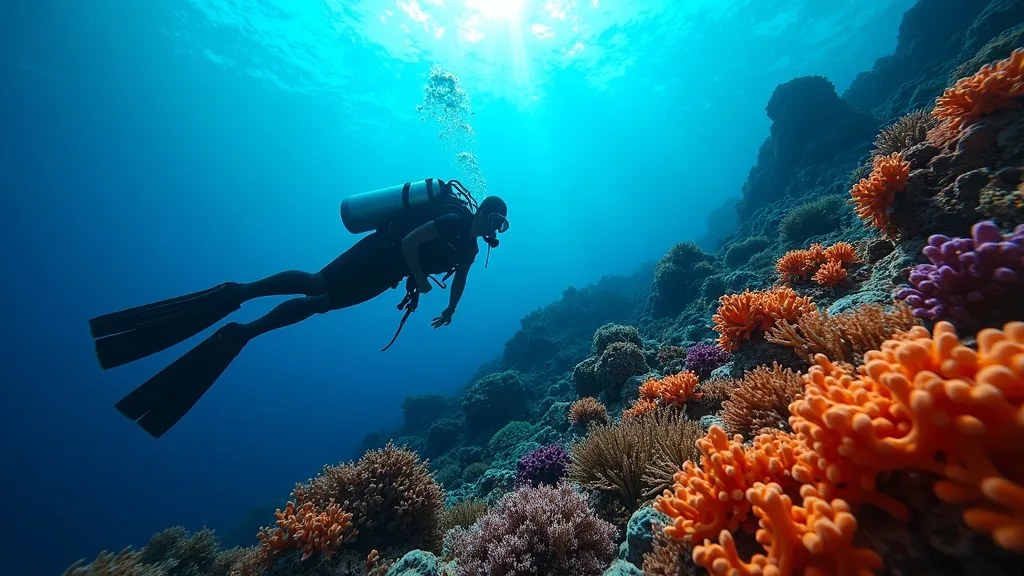
Komodo National Park is the more accessible of the two by a wide margin. You fly into Labuan Bajo on Flores — roughly an hour from Bali — walk ten minutes from the airport to the harbour district, and your boat is waiting. Within three hours of leaving your Bali hotel you can be under sail among islands that look sculpted rather than formed: the savannah ridgelines of Padar, the rose-tinted sand of Pink Beach, mantas gliding beneath the tender at Manta Point, and of course the dragons themselves on Komodo and Rinca.
The compression is the point. A standard 3D2N Komodo itinerary delivers a sunrise trek, a wildlife encounter found nowhere else on Earth, two or three world-class snorkel sites and a bat-swarmed sunset — all inside a park compact enough that you rarely motor more than a couple of hours between anchorages. For travellers with one week of leave, Komodo fits; Raja Ampat, honestly, does not.
The Case for Raja Ampat: The Last Great Marine Frontier
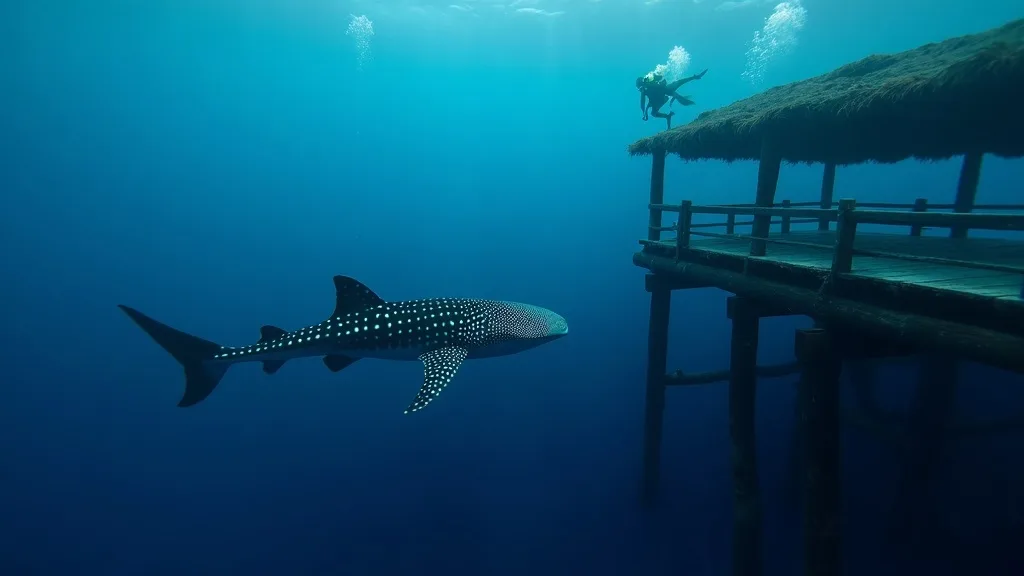
Raja Ampat, off West Papua, is the counterargument written in coral. It sits at the epicentre of global marine biodiversity — surveys have recorded more fish and coral species here than anywhere else scientists have counted. The karst lagoons of Wayag and Piaynemo, the blue-water mangroves, the sheer density of life on sites like Cape Kri: nothing in Komodo, or frankly anywhere, matches it underwater.
The price of that superlative is distance. You fly to Sorong, usually via Jakarta or Makassar, often arriving on a red-eye. Itineraries run longer — six nights is a sensible minimum, and many liveaboards sail seven to eleven — because the archipelago is vast and the crossings are real. Raja Ampat rewards divers, photographers and second-time Indonesia travellers most of all. It is a pilgrimage, not a getaway.
Seasons Are Opposite — Let the Calendar Decide
Here is the fact that settles more debates than any other: the two regions peak at opposite ends of the year.
- Komodo: the dry season spans April into October, June–September the peak window — calm seas, golden hills, reliable manta activity. Boats sail year-round, but the January–February west monsoon can be lumpy.
- Raja Ampat: the classic season is roughly October through April, when seas are calmest in the Dampier Strait. Mid-year, many Raja Ampat liveaboards actually reposition elsewhere because of the southeast winds.
So a July traveller asking “which first?” has been answered by the monsoon: Komodo. A December traveller leans Raja Ampat. If your dates are fixed, stop agonising and sail with the weather.
Flight Logistics: Labuan Bajo vs Sorong
Transit friction deserves its own ledger, because it changes how many usable days your leave actually buys.
| Komodo (via Labuan Bajo) | Raja Ampat (via Sorong) | |
|---|---|---|
| Typical gateway | Bali (DPS), ~1 hr direct | Jakarta or Makassar, 4–6+ hrs with connections |
| Airport to harbour | 10–15 minutes | Transfer plus, for resorts, an onward ferry to Waisai |
| Sensible minimum trip | 3 days / 2 nights | 6–8 nights afloat |
| Buffer days advised | Rarely needed | One each side — connections misfire |
The practical consequence: a Komodo cruise slots neatly into a Bali holiday as a two-to-four-day module. Raja Ampat must be the holiday.
Vessel Classes and Real-World Budgets
Both regions run the same broad ladder of vessels — budget open-deck boats, mid-range air-conditioned phinisi, and a top tier of genuinely luxurious yachts with en-suite cabins, chefs and cruise directors — but the entry prices differ sharply. In Komodo, shared “open trip” cabins on comfortable boats commonly start in the low hundreds of US dollars per person for a multi-day sailing. In Raja Ampat, the longer routes and remoteness push most quality liveaboard berths into four figures per person before flights.
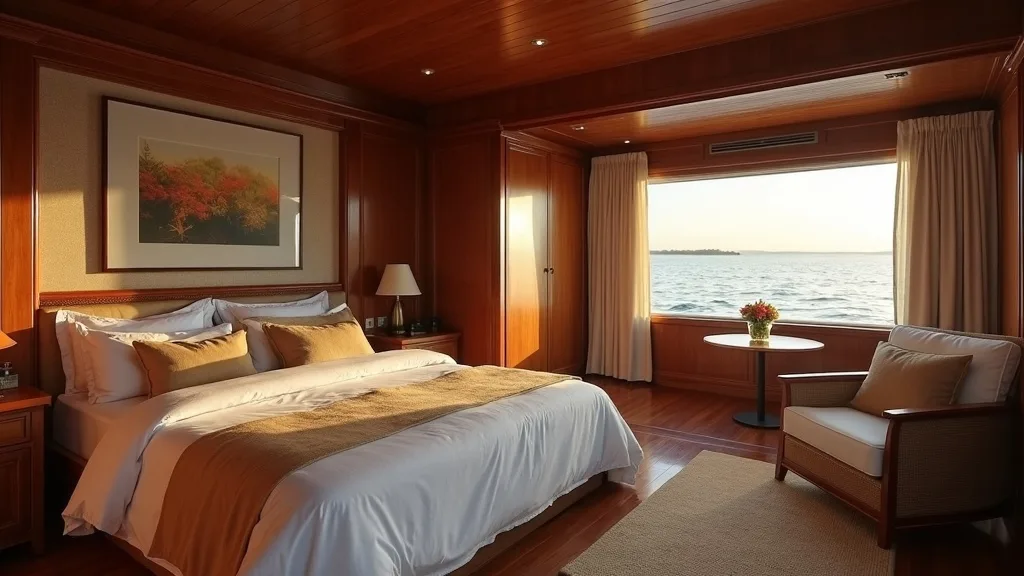
A current Komodo flagship makes a useful calibration point for what the market’s VIP end looks like. The Elbark Cruise yacht is a luxury-class phinisi of 37 metres, afloat since October 2022, with nine en-suite cabins on its three decks, a 21-guest ceiling, a dedicated chef and 12-plus crew. Her shared 3D2N departures sail out of Labuan Bajo each Friday, cabin places from USD 400 per traveller by category, while private buyouts start at USD 8,400 (2D1N) with as many as ten aboard — numbers that would be difficult to replicate on a comparable vessel in Raja Ampat, where distances alone inflate operating costs. Whichever region you pick, this phinisi is booked officially through Komodo Luxury — WhatsApp them at +62 811 3823 875 or use [email protected].
Budgeting rules of thumb, then: for a couple, a premium Komodo experience can be had for roughly the price of the airfare-plus-berth cost of simply reaching a Raja Ampat liveaboard. If your total envelope is under about USD 2,000 per person including flights, Komodo delivers luxury; Raja Ampat delivers compromise.
What Each Region Asks of You Underwater
One more honest distinction. Komodo’s marquee snorkelling — Manta Point, Taka Makassar, the reefs off Kanawa and Sebayur — is superb and accessible to confident swimmers, though currents demand respect and a guide’s judgment. Raja Ampat’s finest sites often involve stronger currents, negative entries and depth; it is a diver’s arena first. Non-divers absolutely enjoy Raja Ampat’s lagoons and viewpoints, but you unlock its full genius with a certification card. If your group mixes swimmers, trekkers and wildlife lovers, Komodo serves the whole table; if everyone logs fifty dives a year, Raja Ampat is calling.
The Verdict: Sequence, Not Either/Or
My settled advice after years of weighing this question: treat it as an ordering problem. Go to Komodo first if you are new to Indonesian cruising, travelling April to October, short on days, working to a defined budget, or bringing non-divers — the reward-to-effort ratio there is unmatched anywhere in the archipelago. Save Raja Ampat for the October-to-April window when you can commit a full week afloat and, ideally, arrive certified. Do it in that order and the two trips escalate rather than repeat: Komodo teaches you the rhythm of phinisi life among dragons and mantas; Raja Ampat then shows you what the ocean does when it is left almost entirely alone. Few travel sequences on Earth end better than that.